
Buying a replacement engine can be a smart solution—or an expensive mistake—depending on how well you understand the process. With thousands of listings available, wide price differences, and varying quality standards, it’s easy to feel uncertain about which option is truly worth your money. This practical guide is designed to help you avoid common pitfalls, understand what really matters, and move forward with confidence when evaluating an engine for sale.
Why Engine Buying Mistakes Are So Common
Many buyers approach engine replacement under pressure. A breakdown, failed inspection, or urgent need for transportation often leads to rushed decisions. Unfortunately, this is when mistakes are most likely to happen.
Common reasons buyers run into trouble include:
Focusing only on price
Ignoring compatibility details
Trusting vague quality claims
Overlooking warranty terms
Buying from unverified sellers
Understanding these risks upfront gives you a major advantage.
Mistake #1: Choosing Price Over Value
One of the most frequent errors buyers make is selecting the cheapest option available. While affordability matters, price alone does not reflect long-term value.
A low-priced engine may:
Have hidden internal wear
Lack proper testing
Come with limited or no warranty
Require costly repairs soon after installation
The best investment balances cost with condition, testing, and seller support—not just the lowest number on the listing.
Mistake #2: Skipping Compatibility Checks
Even engines that look nearly identical can have critical differences. Assuming compatibility without verification is a costly gamble.
Always confirm:
Exact engine code
Model year range
Emissions compliance for your state
Sensor, wiring, and ECU compatibility
Transmission pairing
An incompatible engine for sale can lead to performance issues, warning lights, or complete installation failure.
Mistake #3: Overvaluing Low Mileage
Low mileage is attractive, but it does not guarantee quality. An engine with fewer miles can still be a poor choice if it was neglected or overheated.
When evaluating mileage, consider:
Whether mileage is verified
Maintenance history
Driving conditions (highway vs. city)
Signs of long-term neglect
In many cases, a well-maintained engine with moderate mileage is a safer and more reliable option.
Mistake #4: Ignoring Testing and Inspection Standards
Testing is one of the clearest indicators of engine quality, yet many buyers don’t ask about it.
Reliable sellers typically perform:
Compression or leak-down testing
Oil pressure checks
Visual inspection of internal components
Pre-shipment verification
If a seller cannot clearly explain how the engine was tested, the risk increases significantly.
Mistake #5: Overlooking Warranty Details
A warranty is not just an add-on—it’s protection against unknown defects. Skipping warranty review is a common and costly mistake.
Before buying, review:
Warranty length
What components are covered
Installation requirements
Claim process transparency
Strong warranty coverage often reflects seller confidence and higher-quality inventory.
Mistake #6: Underestimating the Seller’s Role
Who you buy from is just as important as what you buy. Reputable sellers invest in testing, documentation, and customer support.
A trustworthy seller should offer:
Verified customer reviews
Clear contact information
Transparent policies
Knowledgeable technical support
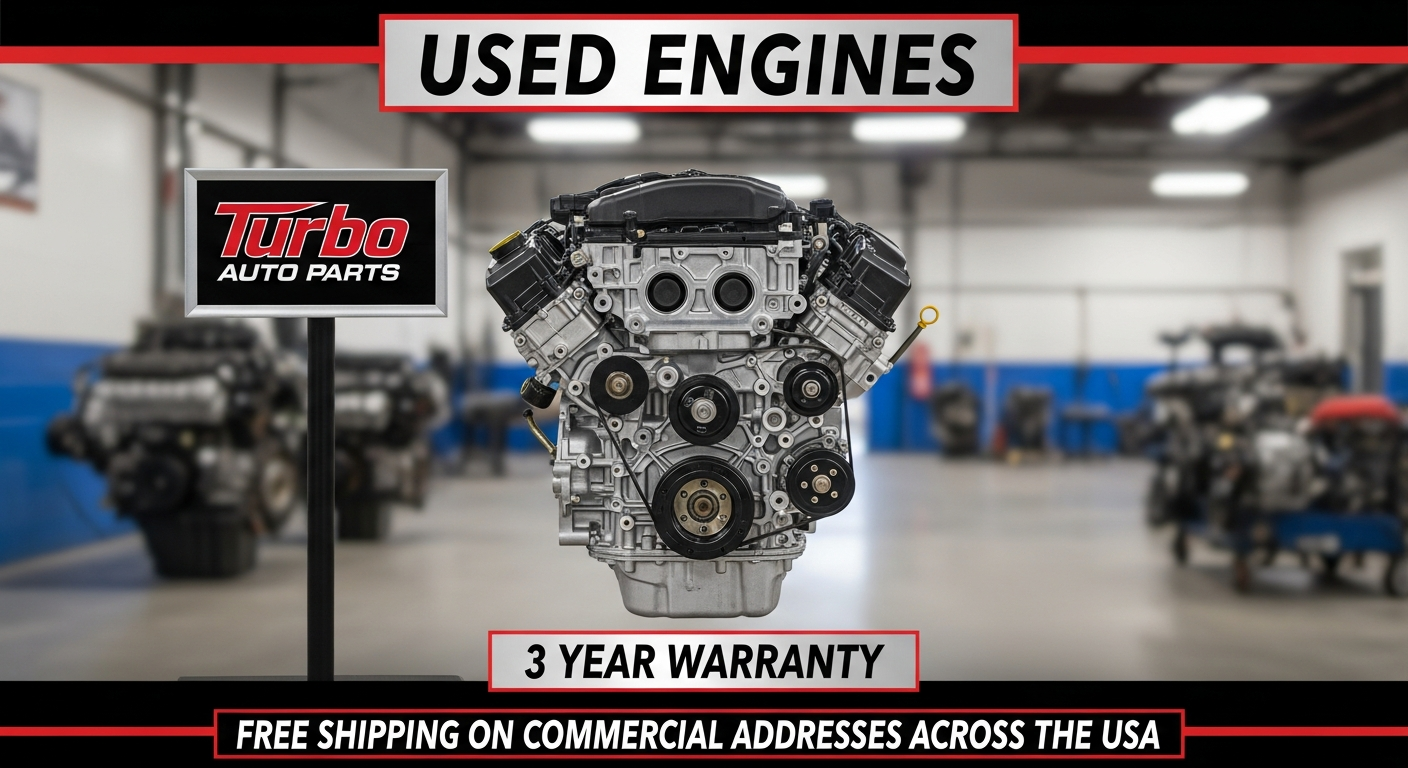
Many experienced buyers compare options from established suppliers like turbo auto parts because consistent seller practices often translate to better outcomes.
Mistake #7: Forgetting About Shipping and Handling
Shipping is not a minor detail. Poor handling can damage seals, sensors, or mounting points before installation even begins.
Quality shipping practices include:
Secure crating
Proper fluid drainage
Protection for sensitive components
Insured freight delivery
An engine damaged in transit can erase any savings from a good purchase price.
How to Evaluate Engine Quality with Confidence
Avoiding mistakes is only half the equation. Knowing what to look for helps you recognize quality when you see it.
Key quality indicators include:
Even compression across cylinders
No oil sludge or coolant contamination
Clean internal components
No signs of overheating
Sellers who emphasize internal condition over cosmetic appearance usually deliver better long-term reliability.
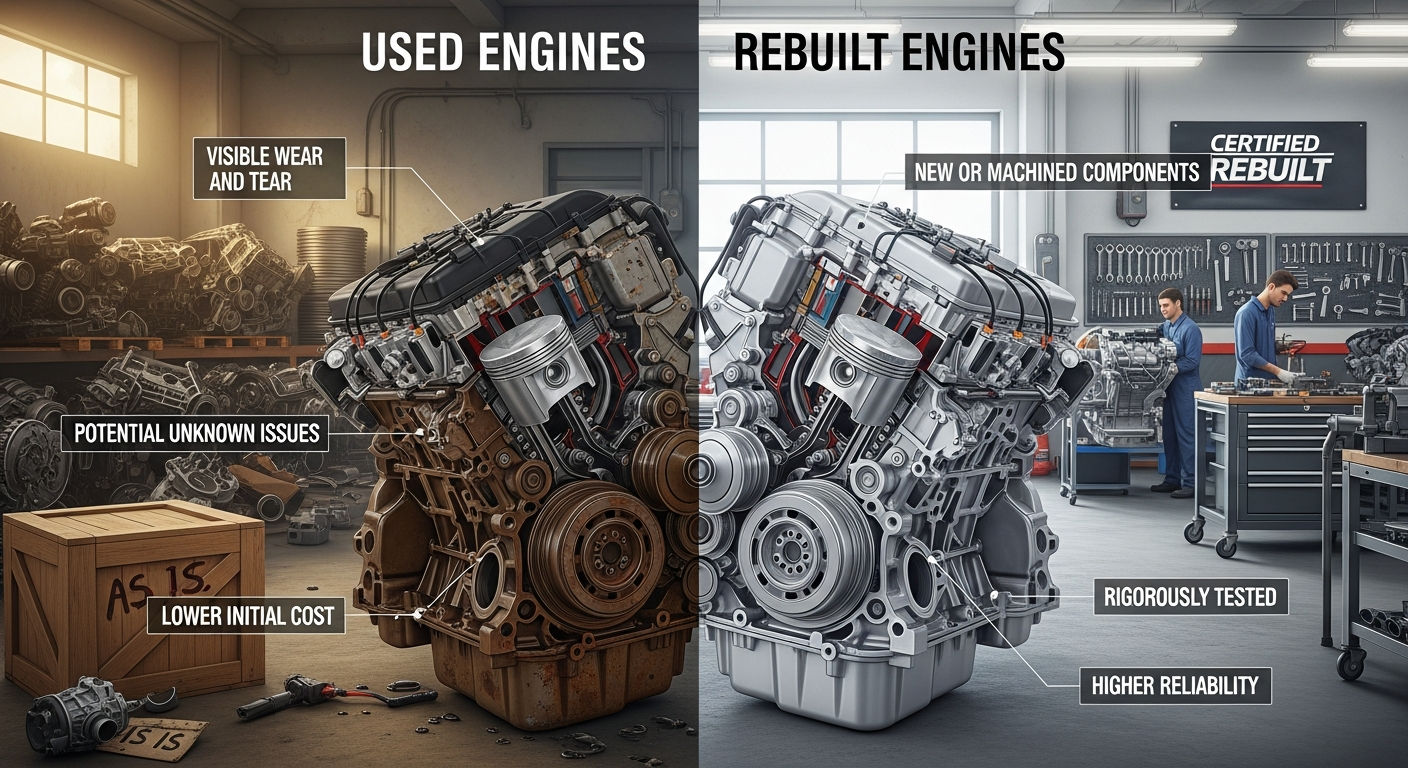
Used vs. Remanufactured: Choosing the Right Fit
Not every buyer needs the same type of engine. Choosing the wrong category can lead to overspending—or disappointment.
Used engines are best when:
Budget is a primary concern
Vehicle value is moderate
Proper testing and warranty are included
Remanufactured engines are better suited for:
Long-term ownership
High-value vehicles
Buyers seeking near-new reliability
Matching the engine type to your goals helps avoid regret later.
Installation Planning: A Step Many Buyers Miss
Even a high-quality engine can fail if installed incorrectly. Planning installation ahead of time is essential.
Important considerations include:
Professional vs. DIY installation
Required new components (gaskets, belts, fluids)
Warranty installation requirements
Proper break-in procedures
Experienced buyers know that shortcuts during installation often lead to long-term problems.
Understanding Total Ownership Cost
The purchase price is only part of the investment. True cost includes everything that follows.
Factor in:
Installation labor
Supporting parts and fluids
Downtime if issues arise
Risk of early failure
Comparing total ownership cost helps you identify the best overall value—not just the cheapest option.
Building Confidence Through Transparency
Confidence comes from information. Sellers who provide documentation reduce uncertainty and risk.
Helpful documentation includes:
Mileage verification
Engine serial numbers
Inspection or test reports
Warranty paperwork
Transparency is one of the strongest indicators that you’re making a safe purchase.
Why Experience Still Matters
First-time buyers and experienced buyers alike can make mistakes—but experience teaches the importance of process. Those who follow a structured approach tend to have far better outcomes.
Many seasoned buyers continue to evaluate suppliers such as turbo auto parts because established sellers often combine testing standards, documentation, and customer support into one reliable buying experience.
Environmental and Practical Advantages
Choosing the right replacement engine also offers broader benefits:
Reduces automotive waste
Extends vehicle lifespan
Conserves raw materials
Avoids rapid depreciation from buying new
A well-chosen engine for sale is both a practical and environmentally responsible solution.
Final Thoughts: Buy Smart, Not Stressed
Avoiding costly mistakes starts with slowing down and focusing on what truly matters—compatibility, condition, testing, warranty, and seller credibility. When you understand these fundamentals, the process becomes far less intimidating and far more predictable.
Trusted suppliers like turbo auto parts remain popular because they prioritize transparency and quality throughout the buying journey. With the right knowledge and preparation, an engine for sale becomes more than a replacement—it becomes a confident investment in reliability, performance, and peace of mind.
Read Also: Buying a Used Engine vs Rebuilding: A Cost and Value Breakdown
Write a comment ...